


Buying an apartment in Greece often starts with a simple question: new build or older property?
At first, the answer may seem obvious. A new apartment means modern construction, better energy efficiency and fewer repairs. An older apartment usually costs less per square metre but may need renovation.
In reality, the choice is much more interesting than that.
I own an apartment in an older building in Kallithea, Halkidiki, and the experience has changed the way I look at property. One thing I particularly appreciate is something that rarely appears in property listings: the layout.
I’ve written separately about my experience of buying property in Greece as a foreigner, including some of the practical issues I encountered during the process.
My apartment feels as if it was designed around how people actually live in a home. The rooms have sensible proportions, the spaces have clear functions, and the available square metres are surprisingly usable.
That doesn’t mean older apartments are always better. Far from it. But it does mean that buyers shouldn’t automatically assume that newer means better.
The Main Advantages of Buying a New Apartment in Greece
The biggest advantage of a new build is fairly obvious: everything is new.
Electrical installations, plumbing, windows, bathrooms, kitchens and heating or cooling systems should not require the kind of immediate attention that an older apartment sometimes needs.
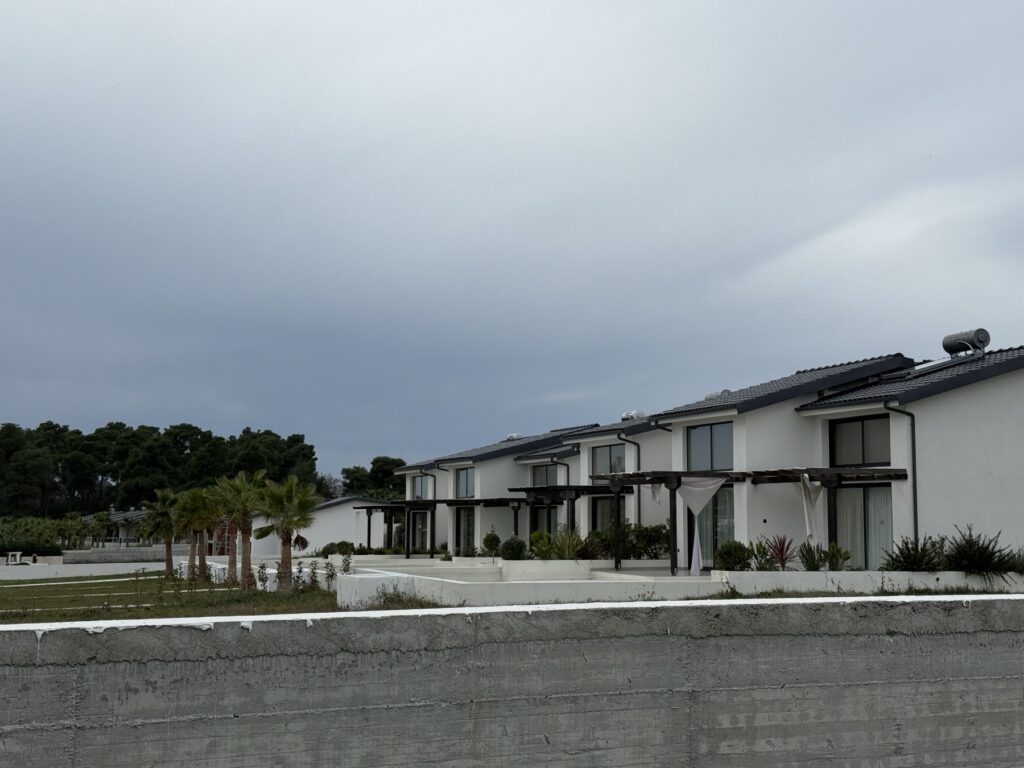
Energy performance is another major advantage.
Greek building energy regulations (KENAK) establish minimum energy-performance requirements for buildings. Greece also uses the Energy Performance Certificate, or PEA, which shows the energy performance of a property. A PEA is required when a building or individual property unit is sold or rented.
For a buyer, this matters.
Better insulation, modern windows and efficient heating and cooling can make a noticeable difference to both comfort and running costs.
New developments may also offer features that can be difficult to find in older buildings, such as private parking, storage rooms, modern lifts and better accessibility.
But there is another side to the story.
Older Apartments Can Have Surprisingly Good Layouts
This is something I noticed with my own apartment in Kallithea.
When people compare properties, they naturally look at square metres.
A 60 m² apartment sounds better than a 50 m² apartment.
But square metres alone don’t tell you how much useful space you actually have.
A badly designed 60 m² apartment can feel smaller than a well-planned 50 m² one.
Some older Greek apartments have very practical layouts. Rooms can be more clearly separated and traditionally proportioned, and the floor plan can feel less compressed.
By contrast, some modern developments have strong commercial pressure to make every square metre count. That isn’t necessarily bad — efficient design can be excellent — but buyers should look carefully at what they are actually getting.
Is there enough space around the bed?
Can you put a normal dining table somewhere?
Is there storage?
Where will the washing machine go?
Can furniture actually be placed against the walls?
These questions can tell you more about an apartment than the number written in the property advertisement.
Of course, this is not a universal rule. There are badly designed older apartments and beautifully planned new ones.
The point is simpler:
Buy the floor plan, not the construction year.
Renovation Changes the Calculation
This is where older apartments become more complicated.
A property may look like a bargain until you calculate what needs to be replaced.
A serious renovation can involve electrical wiring, plumbing, bathroom, kitchen, flooring, windows and doors, air conditioning or heating, painting, insulation and sometimes changes to the internal layout.
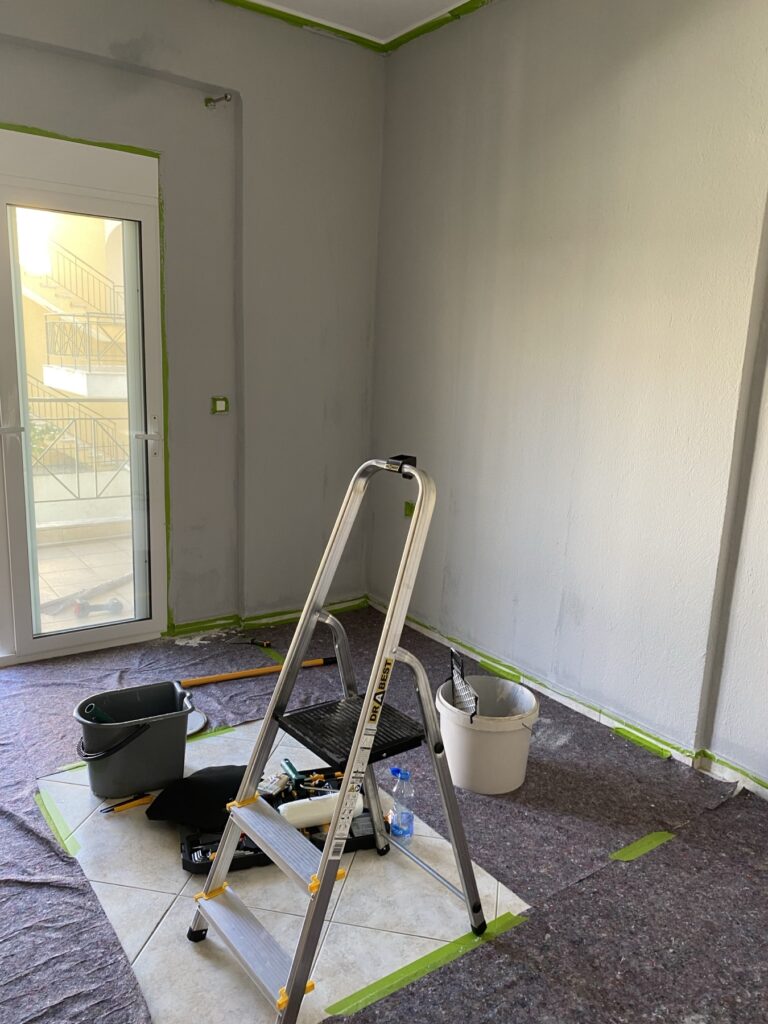
And once renovation starts, surprises are possible.
That doesn’t mean you should avoid an apartment that needs work.
Quite the opposite.
An older apartment with a genuinely good layout and location can become an excellent property after renovation. You can choose the kitchen, bathroom, flooring and finishes yourself rather than paying a premium for somebody else’s choices.
But don’t compare:
€120,000 older apartment vs €160,000 new apartment.
Compare:
purchase price + buying costs + necessary renovation + immediate building costs.
That is much closer to the real price of the property.
Don’t Inspect Only the Apartment
This is one of the most important things to remember when buying an older apartment.
You can renovate almost everything inside your apartment.
You cannot renovate the entire building by yourself.
Look at the entrance, roof, façade, balconies, lift, stairwell and common areas.
Ask whether major work has recently been completed or is expected.
A beautiful renovated apartment inside a poorly maintained building can still create expensive problems later.
Signs of moisture deserve particular attention. So do ageing lifts, damaged façades and poorly maintained common areas.
This is also where speaking with other owners in the building can be surprisingly useful.
They may tell you things that no property advertisement will.
New Doesn’t Automatically Mean Problem-Free
A new apartment deserves careful inspection too.
New construction removes many age-related problems, but it doesn’t guarantee good construction.
Look beyond the shiny kitchen and new tiles.
Ask exactly what is included in the price and check the technical specifications.
Look at the windows and insulation, heating and cooling system, sound insulation, parking and storage arrangements, common areas and estimated common expenses.
And again, examine the floor plan carefully.
A beautifully photographed apartment can feel very different once you imagine actually living there.
Energy Efficiency Is a Real Difference
This is one area where newer properties generally have an important structural advantage.
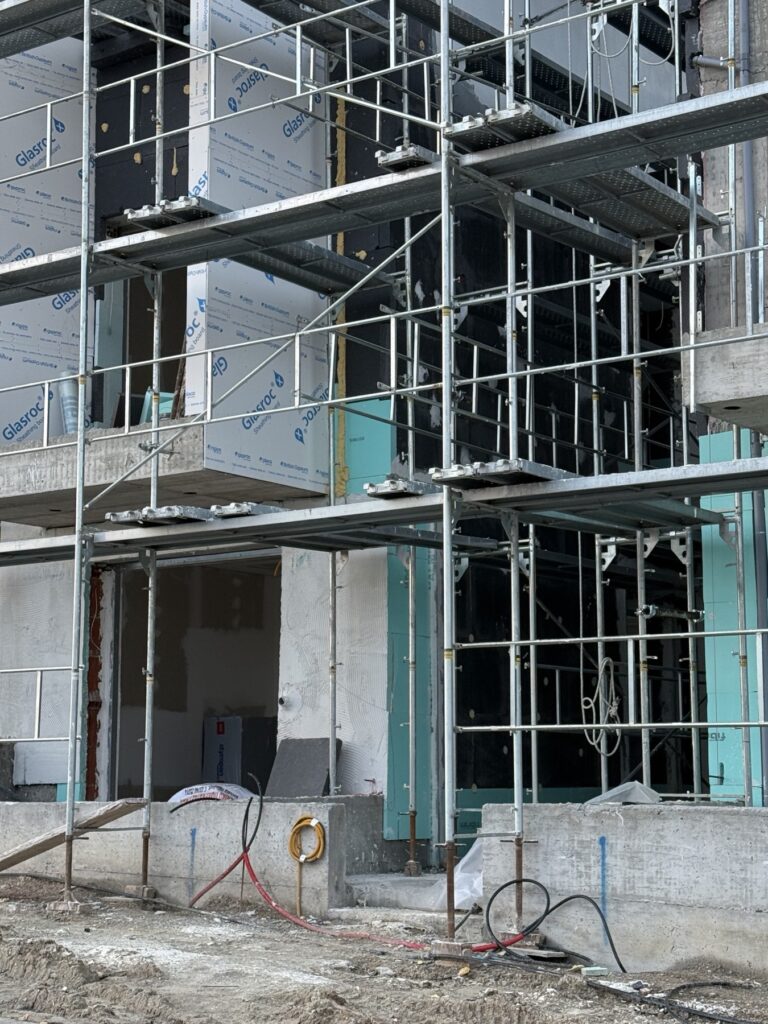
Modern Greek buildings must meet current energy-performance requirements, while much of Greece’s older housing stock was constructed under very different standards. Greece’s Energy Performance Certificate gives buyers useful information about the building’s energy category and potential improvements.
If you’re considering an older property, ask to see the PEA rather than treating it as paperwork that only the lawyer or notary needs.
Then look at the apartment itself.
Are the windows modern double glazing?
How is the apartment heated?
Is there insulation?
Does it face north or south?
Is it exposed on several sides?
Is it a top-floor apartment directly below the roof?
In Greece, cooling can be just as important as heating.
A cheap apartment that is difficult to heat in January and expensive to cool in August may not remain cheap for very long.
Location Can Change Everything
An older apartment often has one advantage that a developer cannot reproduce:
location.
Established neighbourhoods were developed when different plots were available.
An older building may therefore be closer to the sea, town centre, shops or established residential areas than many newer developments.
This is particularly relevant in popular Greek coastal destinations, where location can matter more than whether the building is five or thirty-five years old.
Personally, I would rather seriously consider a good older apartment in the right location than automatically choose a new apartment simply because it is new.
But the condition of the building and renovation costs have to make sense.
Compare the Real Cost, Not Just the Asking Price
When buying an apartment in Greece, the asking price should never be the only number you compare.
The asking price is only the beginning of the calculation.
For property purchases subject to Greece’s real-estate transfer tax, the buyer is responsible for a tax calculated at 3% of the taxable property value, with an additional municipal levy calculated on the main tax. Specific exemptions can apply, including under qualifying first-home rules. AADE
Foreign buyers also need a Greek tax identification number (AFM) to purchase property. AADE
There are then other transaction costs to consider, depending on the purchase: notary, legal and technical checks, registration, agent fees where applicable and, for an older property, renovation.
The costs also don’t stop on the day you buy. Property owners should understand the annual property taxes in Greece before calculating their long-term budget.
For a broader breakdown of purchase expenses, see our guide to how much it costs to buy property in Greece.
This is why the cheapest property on a listing website isn’t necessarily the cheapest property to own.
What to Check When Buying an Apartment in Greece in an Older Building
I would pay particular attention to:
- the layout and genuinely usable space;
- electrical and plumbing installations;
- windows and insulation;
- signs of moisture;
- heating and air conditioning;
- condition of the bathroom and kitchen;
- the Energy Performance Certificate;
- condition of the roof, façade, balconies and lift;
- common expenses and expected building repairs;
- the legal and technical status of the property.
And I would keep a realistic renovation reserve rather than spending the entire budget on the purchase itself.
What I Would Check Before Buying a New Build
With a new apartment, my questions would be different.
I would want to know exactly what the developer includes in the price, what materials and systems are specified, the usable layout of the apartment, energy performance, sound insulation, parking and storage rights, common expenses and — if the project isn’t finished — the completion arrangements.
I would also look carefully at how the advertised square metres translate into everyday living space.
A new apartment can be technically excellent and still have a floor plan that doesn’t work for you.
New Build vs Older Apartment: Which Should You Buy?
There isn’t one answer.
If you want minimal renovation, better energy performance and modern building systems, a good new build has obvious advantages.
If location, layout and value are more important to you — and you’re prepared to renovate carefully — an older apartment can be extremely attractive.
My experience in Kallithea made me appreciate something I didn’t fully consider before buying:
the quality of a home isn’t determined by its age.
A well-designed older apartment can still feel remarkably comfortable decades after it was built. Renovation can replace a kitchen, bathroom, windows and electrical installations.
Changing a fundamentally bad floor plan is much harder.
Ultimately, buying an apartment in Greece is less about choosing between “old” and “new” and more about finding the right combination of location, layout, condition and total cost.
So when you’re looking at apartments in Greece, don’t ask only:
How old is the building?
Ask:
Would I actually enjoy living in this space?
That question may tell you much more.