

Living in Greece can feel very different from spending two weeks here on holiday. The sea, sunshine and relaxed evenings are certainly part of the picture, but everyday life also means dealing with local bureaucracy, seasonal changes, work, healthcare and the practical realities of making a home in another country.
For many foreigners, Greece offers an appealing balance: a slower rhythm of life, strong social culture, excellent food and the possibility of living close to the sea or nature without giving up access to modern cities and services.
But Greece is not one experience. Life in Athens is very different from life on an island, in Thessaloniki or in a small coastal town. Where you choose to live can influence everything from your monthly expenses and social life to how easy it is to get around during winter.
So what is it actually like to live in Greece beyond the summer holiday experience?
The Greek Way of Life
One of the first things many newcomers notice in Greece is the different rhythm of everyday life. Social life often revolves around coffee, food and long conversations, while evenings can stretch much later than visitors from northern Europe may be used to.
Family and local communities still play an important role, particularly outside the largest cities. In smaller towns and villages, it is common to become familiar with the people at your local bakery, café or taverna surprisingly quickly.
The famous Mediterranean lifestyle is real, but it shouldn’t be confused with everything moving slowly. Athens and Thessaloniki can be busy, noisy and fast-paced, while life in a small coastal town can feel completely different. This contrast is part of what makes choosing where to live in Greece so important.
Cost of Living in Greece
The cost of living in Greece can vary considerably depending on where you choose to settle. Athens and popular tourist destinations generally come with higher housing costs, while smaller mainland towns and less touristy areas can be noticeably more affordable.
Housing is usually the biggest variable. Long-term rental prices in popular coastal areas can also be affected by the strong short-term holiday market, particularly during the summer season.
Everyday expenses such as local food, coffee and dining out can still feel relatively affordable compared with many Western European countries, although prices have increased in recent years. Imported products, energy and certain services can tell a different story.
For anyone seriously considering a move, it is worth looking at the costs of a specific region rather than relying on a single average for the whole country.
Choosing Where to Live in Greece
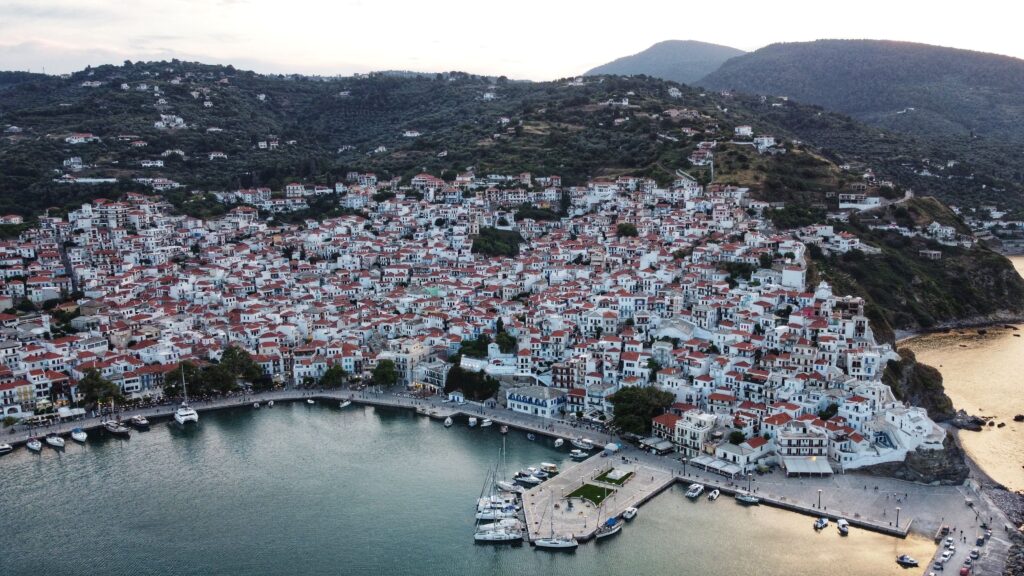
Choosing where to live can make a bigger difference to your experience of Greece than almost anything else. The country offers everything from large cities and lively coastal resorts to mountain villages and islands where life becomes extremely quiet outside the summer season.
Athens offers the widest choice of jobs, international connections, healthcare and services, while Thessaloniki combines city life with easier access to northern Greece and nearby coastal areas. Regions such as Halkidiki and parts of the Peloponnese appeal to people who want to stay closer to the sea without necessarily moving to an island.
Crete has developed a sizeable international community and offers several towns that remain active throughout the year. Island life can be incredibly attractive, but smaller islands may have limited services, transport connections and social life during winter.
Before choosing a location, it is worth experiencing it outside the peak summer months. A place you love in August can feel surprisingly different in January.
The Practical Side of Living in Greece
Living in Greece also comes with a practical side that visitors rarely experience. Setting up everyday life may involve dealing with tax numbers, banking, utilities, residency requirements and various government services.
Greek bureaucracy has a reputation for being complicated, although many services have become increasingly digital. Even so, procedures can sometimes take longer than expected, and having help from a local accountant, lawyer or other professional can make certain processes considerably easier. Many public services can now be accessed online through Greece’s official government portal, gov.gr.
Healthcare is available through both public and private providers, with the widest choice of hospitals and specialists concentrated in larger cities. People living in smaller towns or on islands may need to travel for certain medical services.
Language also matters. English is widely spoken in many tourist areas and among younger Greeks, but knowing some Greek becomes much more valuable when dealing with local services, tradespeople and everyday life outside the main tourist centers.
What Is Greece Like Outside the Summer Season?
Living in Greece year-round can be very different from experiencing it during July and August. Once the summer crowds disappear, many coastal areas become quieter, traffic drops and everyday local life becomes much more visible.
The difference depends heavily on location. Athens and Thessaloniki remain active throughout the year, while some islands and seasonal resorts can become extremely quiet, with hotels, restaurants and other businesses closing until spring.
Winter in Greece is also more varied than many visitors expect. Northern and mountainous regions can experience cold weather and snow, while southern coastal areas and islands generally have milder winters.
For some people, the quieter months are one of the best parts of living in Greece. For others, especially those choosing a highly seasonal destination, the change of pace can take some adjustment.
Is Living in Greece Right for You?
Greece can offer an excellent quality of life, particularly for people who value good weather, outdoor living, strong food culture and a more social pace of everyday life. But moving here should not be based only on the version of Greece experienced during a summer holiday.
Bureaucracy can be frustrating, salaries are relatively low compared with many Western European countries, and life in highly seasonal areas can change dramatically during winter. Access to services can also vary considerably depending on where you live.
For people with remote income, retirement plans, a business or the flexibility to choose where they live, Greece can be especially attractive. The key is finding a location and lifestyle that work throughout the year — not just during summer.
Explore Living in Greece
There is much more to living in Greece than choosing a beautiful place on the map. Understanding everyday costs, healthcare, property, residency, transport and local life can make the difference between enjoying Greece as a visitor and successfully making it part of your everyday life.
As GreekLife Homes grows, we’ll explore these topics in dedicated guides, along with different regions and cities for people considering spending more time — or building a life — in Greece.





Pingback: Healthcare in Greece: A Guide for Foreigners